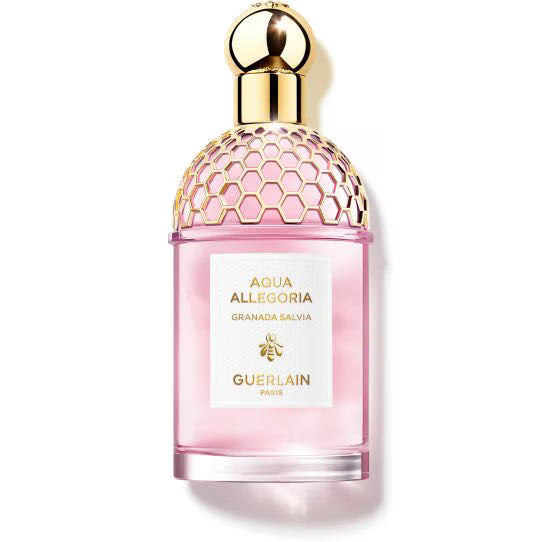
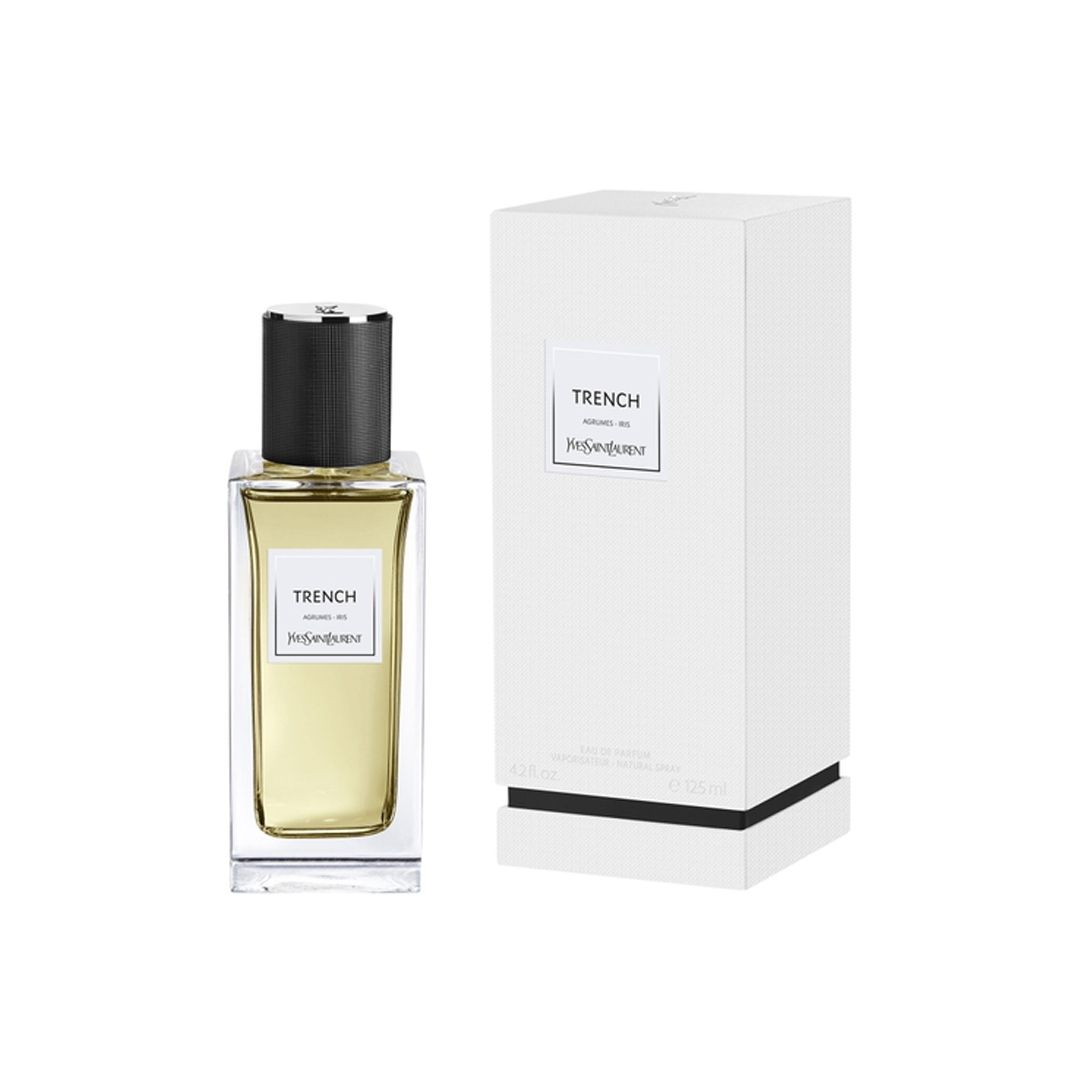
Layering perfumes is an ancient art that transforms individual fragrances into a uniquely personal olfactory signature. In the UAE and GCC region, where Middle Eastern perfume traditions meet global luxury standards, combining Arabic oud-based fragrances with Western eau de parfums creates sophisticated, multi-dimensional scents that stand apart. This guide reveals how to layer Arabic and Western perfumes for maximum impact, longevity, and complexity.
Understanding Fragrance Families Before Layering
Before you begin layering, it's crucial to understand the composition of both luxury perfumes and their fragrance families. Arabic perfumes traditionally feature rich, warm accords—oud, amber, musk, and spices—with heavy sillage and impressive longevity. Western fragrances often emphasize citrus top notes, floral hearts, and woody or aromatic bases.
The key to successful layering lies in recognizing complementary notes. A rich Amouage fragrance with amber and incense notes pairs beautifully with lighter Western scents featuring citrus or green accords, creating depth without overwhelming the senses. Understanding note families—woody, floral, amber, and spicy—helps you make informed pairing decisions.
The Art of Base-and-Top Layering
The most effective layering technique uses an Arabic fragrance as your base and a lighter Western perfume as your top note. Start by applying the Arabic fragrance—typically an eau de parfum or extrait with higher fragrance concentration—to pulse points: wrists, inner elbows, behind the ears, and the base of the throat. Allow it to settle for 2-3 minutes before applying your Western perfume to the same areas.
This method works because Arabic fragrances possess superior longevity and sillage, naturally anchoring the composition. Western perfumes, often lighter and fresher, add brightness and complexity without getting lost. For instance, layering Creed Royal Water Millesime over an Amouage Gold base creates a sophisticated blend where citrus and aquatic notes shine against deep amber and musk undertones.
Reverse Layering: Western Base with Arabic Top
While less conventional, reverse layering can be equally effective in UAE's intense heat. Apply a fresh, crisp Western fragrance first—such as a citrus-forward perfume or an aquatic fragrance—then add an Arabic perfume with sparing application to create accords. This approach suits those who prefer lighter initial projection, with the Arabic fragrance emerging as the day progresses.
This technique is particularly valuable for office environments or professional settings where you want sophistication without immediate intensity. The Western base provides freshness and presence, while the Arabic top note reveals itself gradually as temperatures rise and skin chemistry evolves.
Strategic Note Combination and Pairing
Successful layering depends on understanding which notes complement each other. Consider these proven pairings:
Oud + Citrus: The warmth and earthiness of oud blend seamlessly with bright citrus notes. The citrus cuts through the oud's heaviness, creating brightness without sacrificing depth.
Amber + Green/Herbal: Arabic amber fragrances pair beautifully with Western green or herbal scents. The herbaceous notes provide freshness that balances amber's sweetness and richness.
Musk + Floral: Soft musks from Arabic perfumes complement floral fragrances perfectly. The floral becomes more refined and intimate when supported by musky undertones.
Spice + Marine/Aquatic: Warm spices from spicy Arabic fragrances create intriguing contrast with cool marine or aquatic Western notes, producing unexpected complexity.
Climate Considerations for UAE and GCC Layering
The intense heat and humidity of the Arabian Peninsula significantly impact fragrance performance. Arabic perfumes naturally excel in this climate due to their concentration and longevity, but layering amplifies this advantage. In summer, use lighter concentrations of your Arabic base and choose Western perfumes with better heat stability—those featuring woody, aromatic, or aquatic notes rather than delicate florals that fade quickly.
During cooler months (November to February), you can layer more generously. Both fragrances perform optimally, and the slightly lower temperatures allow more nuanced note development. Winter is ideal for experimenting with richer Arabic perfumes layered over complex Western fragrances featuring leather, tobacco, or vanilla accords.
Application Techniques for Optimal Layering
Technique matters when layering perfumes. First, ensure your skin is clean and slightly moisturized—fragrance adheres better to hydrated skin. Apply your Arabic fragrance base to pulse points using 3-4 spritzes, concentrating on areas with warmth and blood flow.
Wait 2-3 minutes for the top notes to settle. Then apply your Western perfume to the same pulse points or offset them slightly—if your base hit wrists and neck, apply the top note to behind ears and inner elbows. This creates subtle variation in projection and allows the fragrances to meld naturally rather than create jarring transitions.
For evening occasions, consider spraying your Western perfume on hair or clothing, then applying your Arabic fragrance directly to skin. This creates a scent trail that evolves beautifully as you move, with fresher notes greeting those nearby first and richer notes emerging at close range.
Testing and Personal Customization
Every individual's skin chemistry differs, and the art of layering is deeply personal. Start by testing single combinations on separate days before committing to regular pairings. Keep notes on which fragrances you layer, application timing, and how the combination evolves throughout the day.
Consider creating a layering diary noting the original fragrances, weather conditions, time of day, and overall impression. This helps identify your ideal pairings and refine your technique. As you develop expertise, you'll instinctively recognize which fragrances harmonize and which create discord.
Advanced: Triple Layering and Fragrance Cocktails
Once comfortable with two-fragrance layering, experiment with three-fragrance combinations. Use an Arabic base, a middle Western fragrance for transition, and a third accent fragrance (often the lightest) for specific notes you wish to highlight. This advanced technique demands restraint—too many fragrances create olfactory chaos rather than harmony.
The "fragrance cocktail" approach works best with fragrances sharing compatible note families. For example, layer a woody Arabic base with an aromatic Western fragrance, then finish with a citrus cologne. The result is complex, layered, and distinctly personal—impossible to replicate with a single fragrance.
Begin Your Layering Journey Today
Mastering the art of layering Arabic and Western perfumes elevates your fragrance experience from passive wearing to active creation. Whether you prefer the strength and tradition of Arabic fragrances anchoring fresh Western notes or enjoy the subtlety of reverse layering, the possibilities are limitless. Explore our curated collection of premium Arabic and Western perfumes to discover your perfect layering combinations and express your unique olfactory identity.