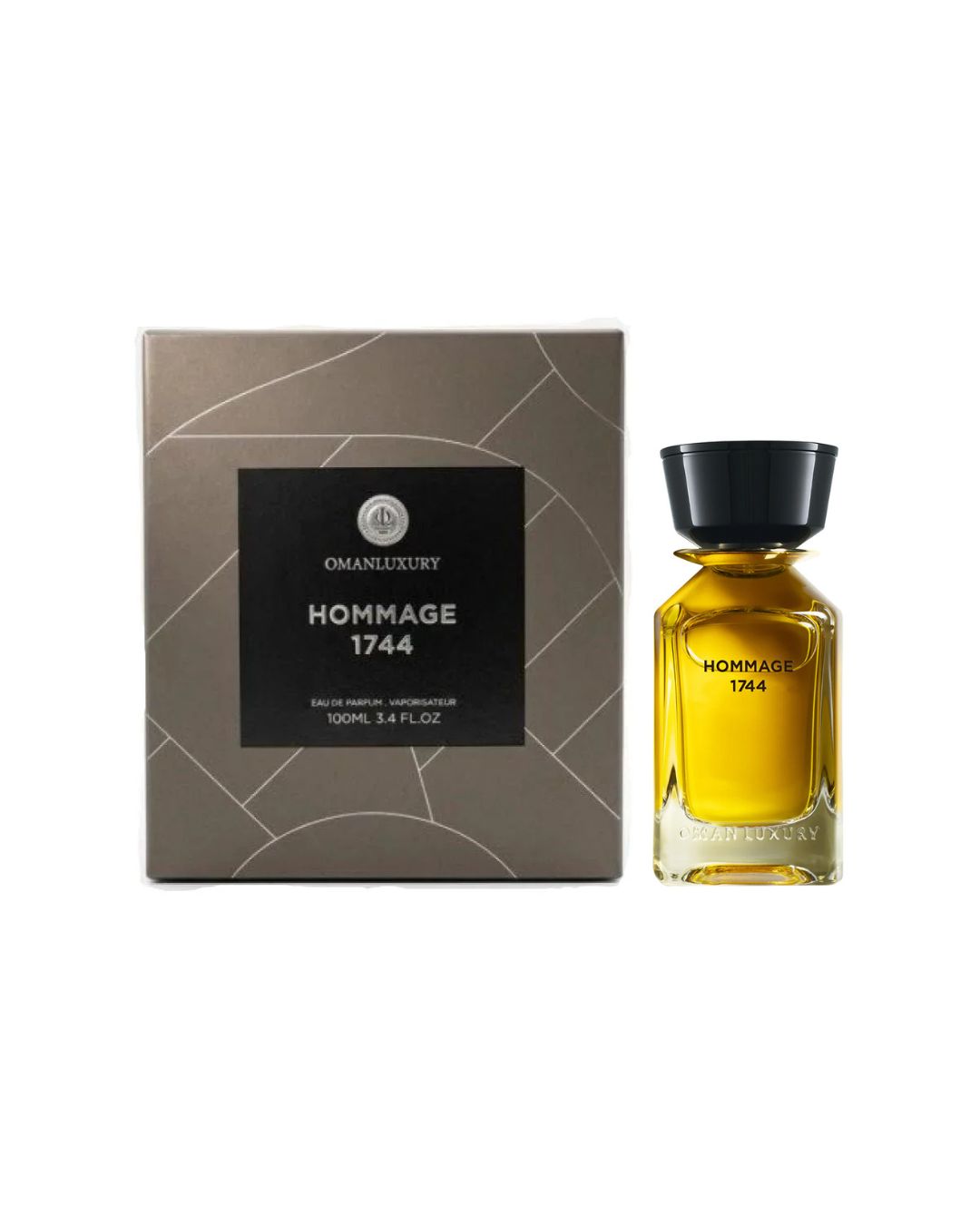
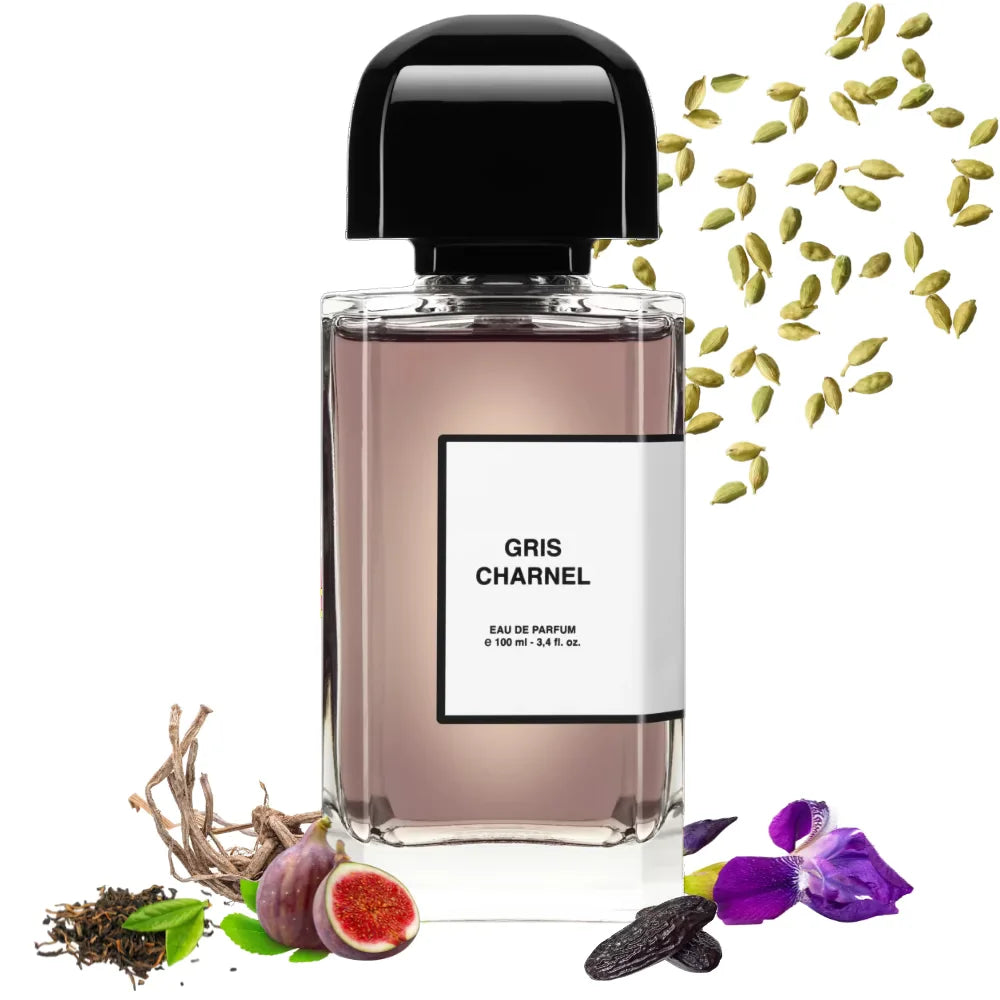
Oud is one of the most coveted and mysterious ingredients in luxury fragrances, commanding premium prices and inspiring passionate devotion among collectors. But what does oud actually smell like? Understanding this complex, ancient scent is essential for anyone exploring high-end perfumery, especially in the UAE where oud holds profound cultural and olfactory significance.
The Core Character of Oud Scent
Oud, also known as agarwood, is a resinous wood derived from aquilaria trees infected with specific mold, creating a dark, precious material that has been treasured for thousands of years. The scent is fundamentally woody—but calling it simply "woody" fails to capture its full complexity. True oud presents a multifaceted olfactory experience that evolves from the opening through the dry-down.
At first encounter, oud smells rich and deep, with immediate animalic qualities that some describe as leather-like or even slightly fecal in the most primal, natural sense. This is not unpleasant; rather, it's primal and intoxicating. Many perceive initial notes of dark spice, sweetness, and a resinous intensity that coats the palate and lingers memorably. The scent is warm, enveloping, and distinctly masculine in character, though modern fragrances have created elegant women's perfumes featuring oud as a sophisticated base.
Breaking Down Oud's Olfactory Profile
The composition of oud depends heavily on its origin. Arabian oud—particularly from Oman and Yemen—tends toward sweeter, more refined expressions with hints of floral undertones and a smoky, incense-like quality. Indian oud carries earthier, more barnyard-like qualities with stronger animalic notes. Cambodian oud is known for its fruity, slightly medicinal characteristics, while Indonesian oud presents more green, herbal dimensions.
When you smell oud in a high-quality fragrance, you're experiencing several overlapping aromatic components:
- Woody base: Deep, dry wood that persists for hours—the signature longevity oud provides
- Animalic undertones: Leather, musk, and subtle animal notes that create sensuality and depth
- Sweetness: Often caramel, honey, or vanilla-like sweetness that prevents the scent from feeling harsh
- Spice: Subtle peppery or clove-like notes that add complexity
- Resinous quality: A sticky, precious feeling that sits somewhere between incense and amber
Why Oud Captivates Fragrance Enthusiasts
The allure of oud fragrances extends beyond mere scent. Oud's extraordinary rarity and cost—wild agarwood is now virtually extinct, with most oud sourced from cultivated trees—elevate it to luxury status. In UAE and broader Middle Eastern culture, oud holds ceremonial and personal significance, worn as a marker of refinement and taste.
The complexity is what truly captivates collectors. A single oud fragrance evolves throughout the day, revealing different facets. The opening might feel sharp and intoxicating, the heart may become sweeter and more floral, and the dry-down transitions into a soft, skin-scent woody base that lasts 12+ hours. This transformation keeps wearers engaged and makes oud fragrances endlessly rewearable.
Synthetic vs. Natural Oud: How They Differ
Most modern fragrances use synthetic oud (or oud isolates) rather than pure natural oud, which would be prohibitively expensive and difficult to work with. Synthetic oud molecules like oud:IS capture the essence of natural oud while offering better stability and blendability. However, natural oud carries a certain je ne sais quoi—a rawness and authenticity—that synthetic versions approach but don't entirely replicate.
High-end niche houses like Thameen and Mizensir often blend natural oud with synthetic molecules to create fragrances that are both wearable and genuinely representative of the ingredient's character.
Experiencing Oud in Different Fragrance Styles
Oud appears across multiple fragrance families. In oriental fragrances, it anchors the composition with warmth and sensuality. In woody fragrances, it provides the structural foundation alongside sandalwood or cedar. In modern niche compositions, oud might be paired with surprising notes like fresh florals, citrus, or even aquatic elements to create unexpected contrasts.
If you're new to oud, starting with a fragrance that balances oud with more familiar notes—such as those featuring oud with vanilla, amber, or florals—provides an excellent introduction. As your olfactory palate develops, you can explore more austere, naturalistic oud expressions.
Oud and the UAE Climate
Oud's warmth and depth make it particularly suited to the UAE's hot climate. While lighter fragrances can feel overwhelming in extreme heat, oud's intense sillage projects beautifully in warm weather without becoming suffocating. The scent's longevity also works in your favor—a single application can sustain throughout the day and evening without requiring reapplication.
For those seeking premium oud expressions, explore our collection of niche and luxury oud fragrances curated specifically for discerning UAE fragrance enthusiasts. Whether you prefer the refined elegance of Arabian oud or the raw depth of Indian variations, our range showcases the best contemporary interpretations of this ancient, precious ingredient.
Developing Your Oud Appreciation
Like any acquired taste, truly appreciating oud takes time. Your first encounter might feel challenging—the animalic, resinous qualities can be confronting to those accustomed to clean, fresh fragrances. However, multiple wearings typically lead to recognition of oud's beauty, sophistication, and the emotional depth it imparts. Many collectors report that oud fragrances become increasingly rewarding with familiarity, revealing nuances that weren't apparent on first wearing.
Oud smells like luxury incarnate—a precious, complex, irreplaceable ingredient that carries history, rarity, and emotional resonance. Understanding what oud smells like opens the door to an entire universe of exceptional fragrances that reward exploration and collection.