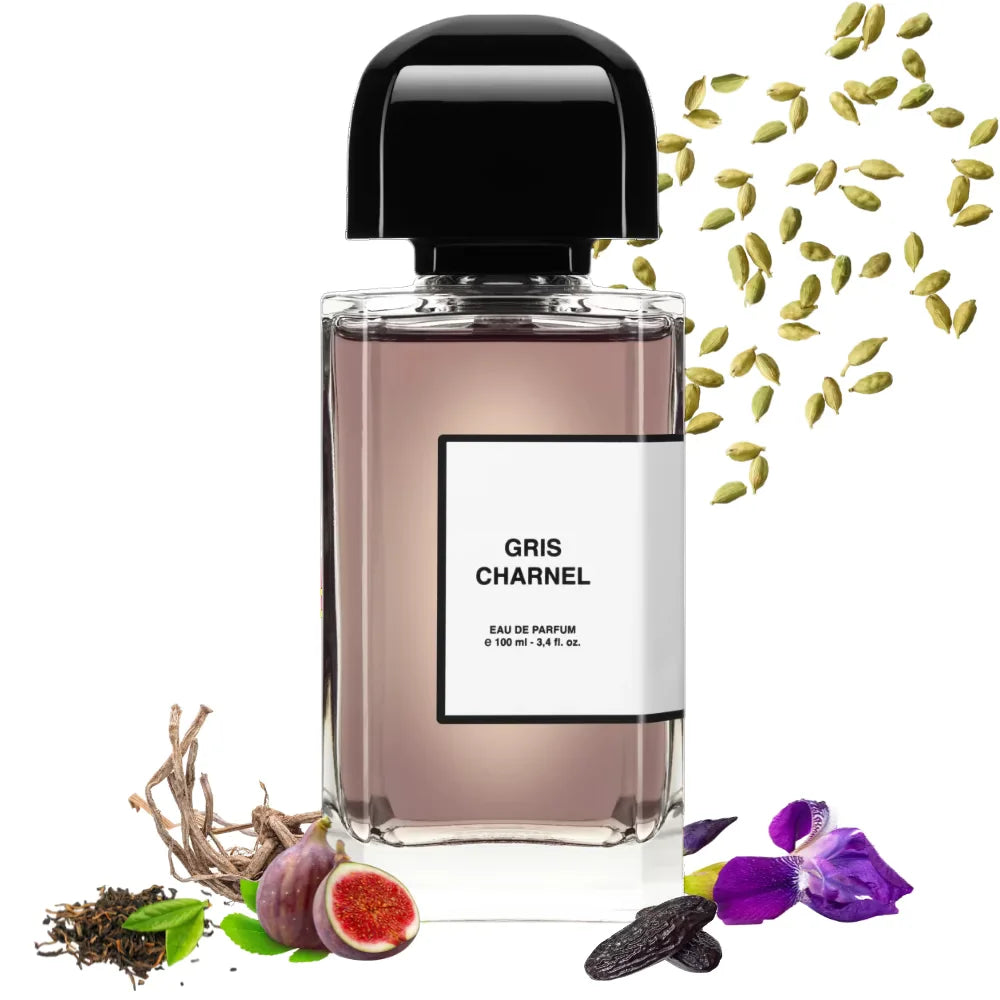
Understanding top, middle, and base notes in perfume is essential for anyone who wants to appreciate fragrance composition, make informed purchasing decisions, or simply enjoy scents on a deeper level. Every perfume you wear follows a carefully orchestrated structure of aromatic layers that unfold over time. These notes—also called the fragrance pyramid—determine how a perfume smells from the first spray to the final dry-down.
If you've ever wondered why your favorite fragrance smells different 30 minutes after application, or why some perfumes last all day while others fade quickly, the answer lies in understanding the three-act performance of perfume notes.
The Fragrance Pyramid: A Brief Overview
A perfume's structure is often visualized as a pyramid, with each level representing a different phase of scent evolution. The top notes form the base of the pyramid (appearing first), the middle notes sit in the middle (the heart of the fragrance), and the base notes sit at the peak (lasting the longest). This layered approach creates depth, complexity, and a journey that unfolds on your skin.
Perfume concentration also affects how notes perform. Eau de parfum and extrait fragrances contain higher concentrations of aromatic compounds, which means all notes—especially base notes—are more pronounced and longer-lasting than eau de toilette versions.
What Are Top Notes?
Top notes, also called head notes, are the first impression you get when you apply a fragrance. They are the lightest, most volatile components of a perfume and typically last 5 to 15 minutes. Think of them as the opening act: they grab your attention immediately but fade quickly.
Top notes are usually fresh, zesty, and energetic. Common citrus notes like bergamot, lemon, and grapefruit are popular top note choices, as are herbs, mint, and peppery elements. For example, Jo Malone Bronze Wood Leather opens with bright, crisp top notes that immediately establish its character.
The volatility of top notes is what makes them disappear so quickly. They evaporate faster because they contain smaller molecular structures with lower boiling points. This is why the first spritz of a new perfume can feel distinctly different from how it smells after 10 minutes.
Understanding Middle Notes (Heart Notes)
The middle notes, or heart notes, emerge as the top notes fade and typically last 20 minutes to several hours. They form the true character and personality of a fragrance—this is what you'll experience for the majority of the wear time. Middle notes are the soul of the perfume, and they're often what make you fall in love with a scent.
Middle notes are usually floral, fruity, or spicy in nature. Floral notes like rose, jasmine, peony, and tuberose dominate many perfumes, while fruity notes such as apple, berries, and peach add sweetness. Spicy elements like cinnamon, clove, and nutmeg introduce warmth and complexity.
Because middle notes last longer than top notes, they give you a true sense of whether a fragrance is right for you. When testing a new perfume, wait at least 15-20 minutes before making a decision; you're not yet experiencing the true heart of the scent. Premium fragrances from houses like Creed and Amouage invest significantly in their middle note accords, creating sophisticated and memorable mid-scent experiences.
Exploring Base Notes and Longevity
Base notes are the foundation of any perfume and typically last 4 to 8+ hours (sometimes even longer). These are the heaviest, most intense aromatic molecules that linger on your skin and clothes long after the top and middle notes have disappeared. Base notes are what give a fragrance its staying power and depth.
Common base notes include woody ingredients like cedarwood, sandalwood, and vetiver; warm, sensual notes like amber, musk, and vanilla; resinous elements like frankincense and myrrh; and animalic compounds like leather. Woody perfumes often rely heavily on base notes for their depth and longevity, making them ideal for those seeking lasting scents in the UAE's warm climate.
The base notes are what you smell when you bring your wrist to your nose at the end of the day. They provide the framework that supports and stabilizes the entire composition. Without strong base notes, a fragrance would simply evaporate within hours. Premium fragrances invest heavily in quality base note materials, which is one reason luxury perfumes tend to have superior longevity compared to mass-market alternatives.
How Notes Interact and Evolve
The magic of perfume lies not just in individual notes, but in how they interact and transition. As top notes evaporate, they reveal the middle notes beneath. As middle notes fade, the base notes become increasingly prominent. This progression is called the scent journey, and a well-composed fragrance creates a seamless, beautiful evolution.
Factors like skin chemistry, body temperature, and even your activity level can influence how notes develop on your skin. Warmer skin accelerates diffusion, which is why perfumes tend to project more strongly in hot UAE summers. This is also why the same fragrance can smell slightly different on different people or even on different days.
Choosing Perfume Based on Note Structure
Understanding note structure helps you make better fragrance choices. If you prefer fresh, immediate impact, look for perfumes with pronounced top notes. If you're drawn to classical, timeless scents, seek out fragrances known for their elegant middle notes. And if longevity is your priority, prioritize fragrances with rich, complex base notes—typically oud-based fragrances and Oriental compositions offer exceptional staying power.
When you explore our collection of niche and luxury fragrances, pay attention to the note breakdown provided. This insider knowledge transforms you from a casual perfume wearer into a true fragrance enthusiast. Whether you're seeking a signature scent or building a versatile fragrance wardrobe, understanding top, middle, and base notes gives you the confidence to choose with authority.
Conclusion: Mastering Fragrance Composition
The three-note structure of perfume—top, middle, and base—is more than just technical jargon; it's the blueprint for understanding how fragrances work and why you love the ones you do. Each layer serves a purpose, and together they create a complete olfactory experience. The next time you apply a perfume, pay attention to how it evolves, and you'll discover a new appreciation for the artistry behind fragrance creation.